


Are you planning a nature outing, a trek, or a day hike? Choosing the right hiking backpack makes all the difference in enjoying every moment, without back pain or wet gear. Discover our 2026 selection of the best hiking backpacks, advice, comparisons, and a focus on Zulupack waterproof bags so you can head out on any trail with complete peace of mind.
Discover our best hiking backpacks - Zulupack
Why is it important to choose your hiking backpack carefully?
A good backpack is more than just an accessory:
- It protects your gear
- It distributes weight to prevent pain
- It adapts to your body type
- It withstands weather and wear
A poorly chosen bag can ruin an outing, cause pain, or leave your belongings soaked.
In 2026, the trend is toward lightweight, ergonomic packs made with durable materials and optimized carrying systems.
Choosing a pack suited to your activity is essential to fully enjoy every adventure. The best men's hiking backpacks offer optimal comfort even over long distances, while women's hiking models prioritize an ergonomic fit adapted to the female anatomy.
For more intense outings, outdoor backpacks or large sports bags allow you to carry all the necessary equipment, whether for the mountains, trail running, or cycling. Also, discover our men's sports bags and women's sports bags, designed to combine performance, style, and durability for all your activities.
Key criteria for choosing your hiking backpack
Volume adapted to your outing
- Day trip: 15 to 30 liters
- Weekend or short trek: 30 to 40 liters
- Long trek or self-sufficiency: 45 liters and up
Carrying comfort
- Ventilated, adjustable back panel
- Ergonomic shoulder straps and hip belt
- Load lifters
Organization
- Multiple compartments
- Side pockets, hydration reservoir sleeve, rain cover
Durability and waterproofing
- Robust fabrics
- Water-repellent treatment or total waterproofing (roll-top, HF welds)
Weight
- Empty weight between 800 g and 2 kg depending on volume
2026 Trends: lightness, comfort, eco-responsibility
Hikers are looking for packs that are:
- Lighter (often less than 1.5 kg for 30 to 40L)
- Made with recycled or sustainable materials
- Equipped with ergonomic carrying systems
- Offering excellent back ventilation (reducing perspiration by up to 25% on some models)
- Featuring practical accessories: pole holders, water bottle pockets, hydration bladder compatibility, integrated rain cover
How to choose the ideal size for your hiking backpack?
The size of the pack must above all match the duration of your trip and what you intend to carry. For a day hike, a volume of 20 to 30 liters is generally sufficient, while a 30 to 40-liter size is better suited for a two-day trip staying in a refuge. Beyond that, for a multi-day trek or an expedition in total autonomy, it is better to opt for a more generous volume to distribute the equipment without overloading the carry. A properly sized pack remains more comfortable to wear and limits unnecessary movement on your back.
What comfort criteria should you prioritize for long-distance hiking?
Comfort primarily depends on the quality of the carrying system. Padded shoulder straps, a well-adjusted hip belt, and a ventilated back allow for better weight distribution and reduced fatigue over the hours. An adjustable back length is also a real advantage, as it allows the bag to be tailored to each person's anatomy. The more stable and balanced the pack, the more natural your walk remains, even when the terrain becomes demanding.
What volume should you plan for based on the duration of your trip?
For a short stroll or a half-day hike, a small pack is more than enough to carry the essentials. As soon as a full day is planned, you need more space for water, protective clothing, food, and some safety accessories. On a multi-day itinerary, the volume must be able to accommodate sleeping gear, personal belongings, and potentially a portion of group equipment. The goal is not just to fit everything in, but to maintain a balanced, easy-to-carry pack from start to finish.
Why choose a bag resistant to rain and humidity?
When hiking, weather conditions can change rapidly, and moisture is often one of the first factors causing discomfort. A rain-resistant bag protects clothing, electronic equipment, and sensitive items throughout your outing. A water-repellent treatment, a waterproof cover, or a fully waterproof construction provides extra security when the terrain gets wet. This protection is particularly useful on long trips, where keeping contents dry becomes essential for both comfort and safety.
Which materials and equipment make a difference on the trail?
Materials play an important role in the strength, weight, and durability of the pack. High-density nylon and polyester are often favored for their resistance to abrasion and humidity, while some models also incorporate recycled materials to meet more sustainable expectations. In terms of equipment, side pockets, a hydration reservoir compartment, pole holders, and compression straps significantly improve everyday use. A good pack is one that combines robustness, ease of access, and intelligent storage, without unnecessarily adding to the overall weight.
Best Hiking Backpacks in 2026
1) Zulupack - Best Hiking Backpacks in 2026
25L Waterproof Hydration Backpack
TRITON 25
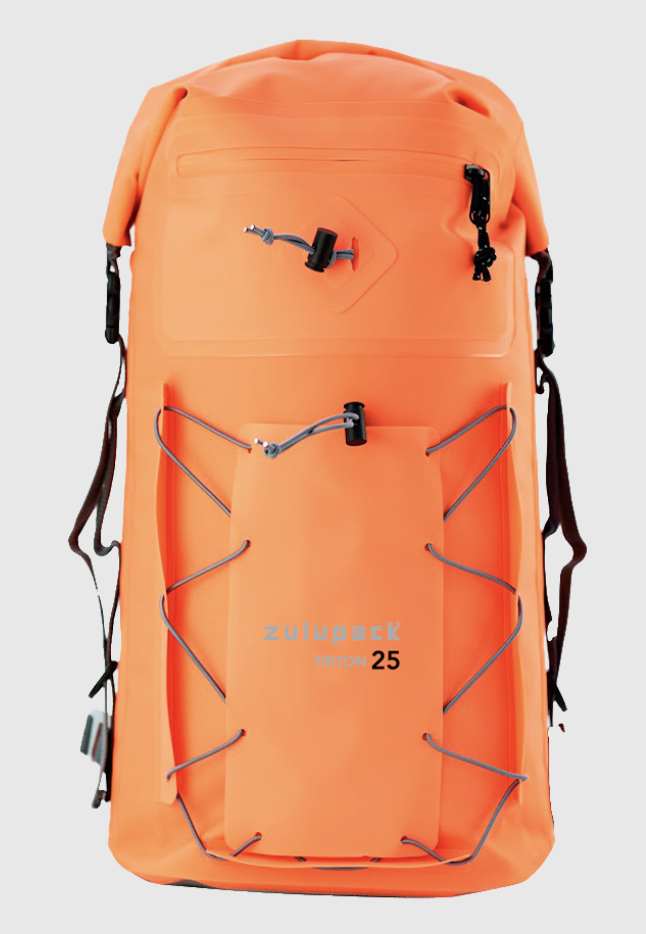
Description (25L Waterproof Hydration Backpack / TRITON 25):
The TRITON 25: an ally for active adventurers
Designed for those who live life in the fast lane, the TRITON 25 combines comfort, practicality, and visibility.
Its wide, ergonomic back ensures excellent stability while in motion, even during intense activities.
Its transparent bottom allows you to quickly identify your belongings without having to rummage around.
The foam back panel integrates a space dedicated to your hydration bladder, accessible without opening the bag—ideal for staying hydrated without interrupting your effort.
Finally, the RCT attachment located on the shoulder strap is compatible with Zulupack® mobility accessories, adding a touch of modularity to this bag designed for all your adventures.
40L Waterproof Duffle Bag
RACKHAM 40
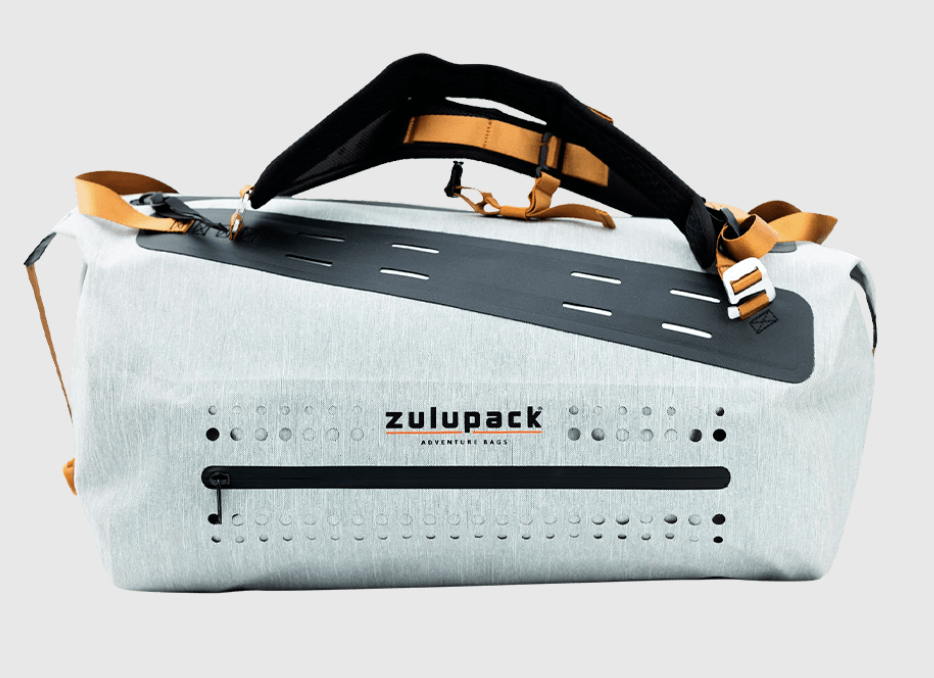
Description (40L Waterproof Duffle Bag / RACKHAM 40):
RACKHAM: all-terrain, stylish, and ultra-functional duffles
Dive into the RACKHAM universe, a collection of waterproof duffle bags combining modern design and technical performance.
Designed for urban adventurers or demanding backpackers, these bags offer robustness, practicality, and comfort, whatever the situation.
Made with high-end materials and tested for their ergonomics, they guarantee a smooth and reliable user experience.
Their waterproof zip allows for easy opening and wide access to the main compartment.
And for optimal organization, a front wet pocket isolates your damp gear from the rest of your equipment.
RACKHAM is the choice for performance without compromising on style.
45L Roll-Top Duffle Bag
BORNEO 45
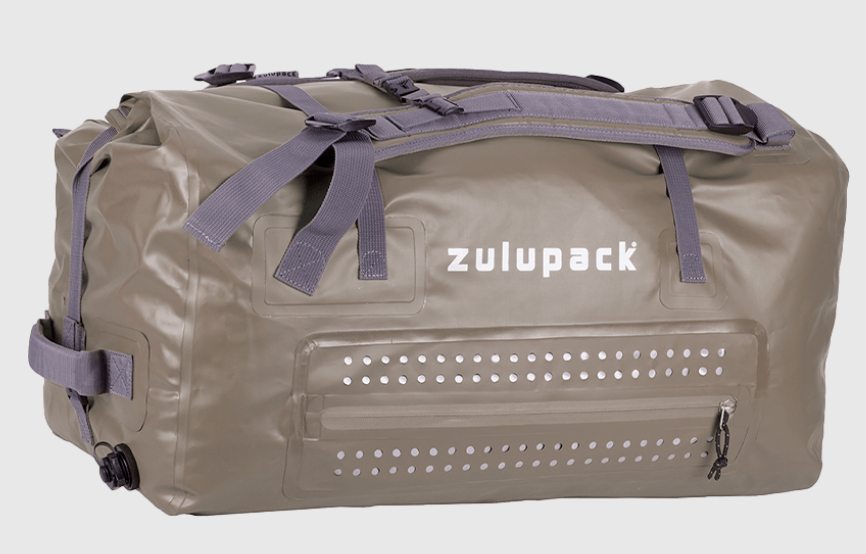
Description (45L Roll-Top Duffle Bag / BORNEO 45):
The BORNEO 45 – The all-terrain bag for short expeditions
Designed for demanding adventurers, the BORNEO 45 is a robust travel bag, ideal for short expeditions at sea or on land. It combines compactness and technicality, while offering the benefits of large-volume bags.
-
Wide opening: quickly access all your equipment thanks to its spacious main compartment.
-
Internal organization: a removable zippered pouch allows you to keep your essentials within reach.
-
External wet pocket: effectively isolate your damp gear (wetsuits, towels...) from the rest of your equipment.
-
Compression valve: facilitate air removal for space-saving and optimized transport.
This waterproof, modular bag adapts to every situation thanks to its multiple adjustments and a design focused on organization, durability, and practicality.
60L Waterproof Adventure Backpack
NOMAD 60
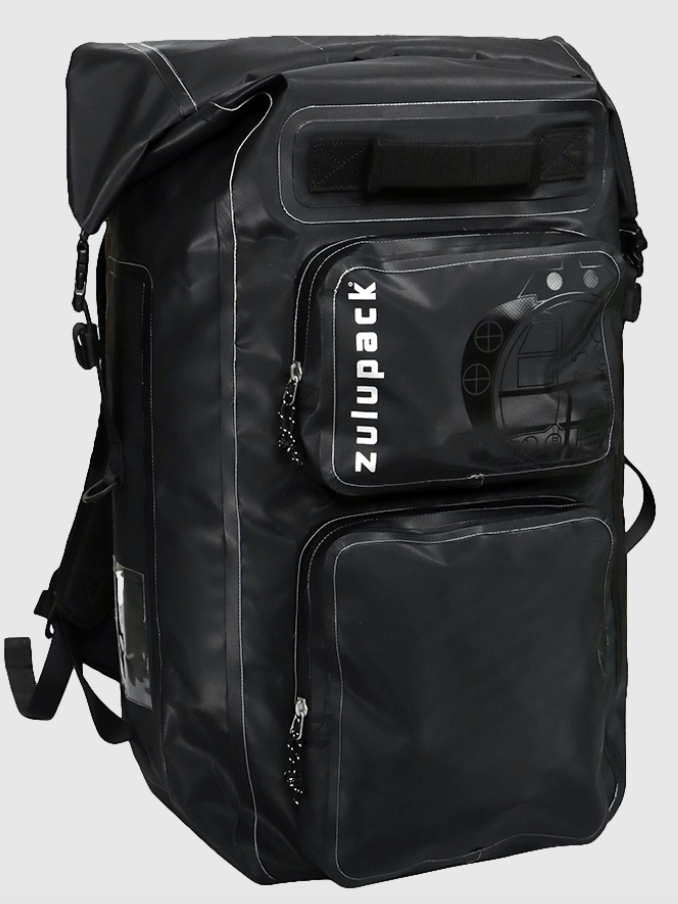
Description (60L Waterproof Adventure Backpack / NOMAD 60):
Nomad 60 – The ally for great outdoor adventures
Designed for enthusiasts of hiking, trekking, and long-distance travel, the Nomad 60 is a backpack built for the most demanding adventurers. Waterproof, ergonomic, and highly functional, it goes everywhere with you, regardless of the conditions.
-
Large capacity: its generous volume allows you to carry all your gear without compromise.
-
Smart storage: two exterior pockets with water-repellent zippers protect your personal belongings from moisture.
-
Carrying comfort: an integrated load lifter system ensures balanced weight distribution for optimal comfort even over long distances.
-
Integrated RCT attachment: located on the shoulder strap, it is compatible with Zulupack® mobility accessories for maximum adaptability in the field.
With the Nomad 60, you are ready to take on any challenge, from steep summits to the most remote trails.
2) Deuter Aircontact Ultra 50+5
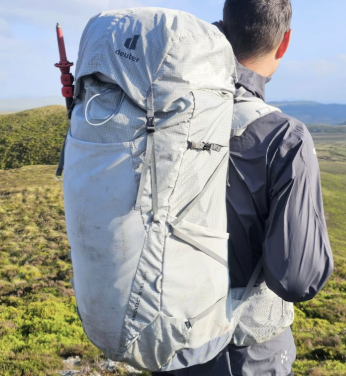
Ideal for: long hikes and treks
Description: Ultra-light and robust, this bag is designed for long distances. Its Aircontact back system ensures excellent ventilation, and its expandable volume allows you to adjust capacity based on the gear you carry. Hydration system compatible.
3) Osprey Atmos AG 65
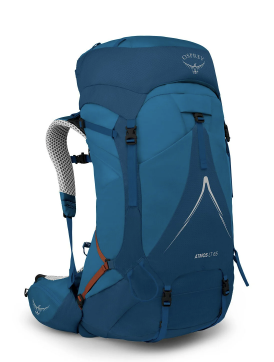
Ideal for: long-duration hikes
Description: Thanks to its AntiGravity system, this bag perfectly distributes the load and offers exceptional carrying comfort. Multiple pockets, front access, and wraparound hipbelt. Excellent support even when loaded.
4) Forclaz Trek 100 Easyfit 50L (Decathlon)
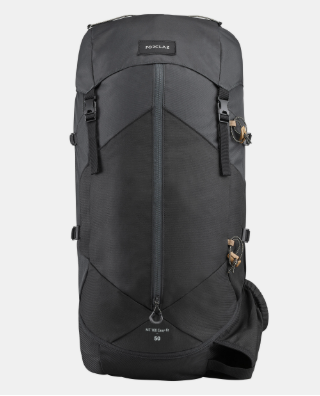
Ideal for: value for money
Description: Comfortable and accessible, this bag is designed for beginner to intermediate hikers. Easyfit quick-adjustment system, integrated waterproof rain cover, and numerous practical pockets.
5) Lowe Alpine AirZone Trail ND33
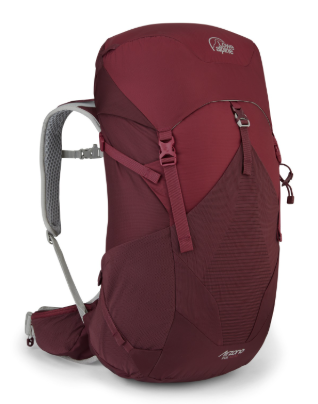
Ideal for: day hikes or weekend trips
Description: Breathable, compact, and lightweight bag. The tensioned AirZone back ensures efficient ventilation. ND version designed for the female anatomy. Perfect for fast hikes with a light load.
6) Millet Ubic 40
Ideal for: two-day hiking, ski touring, climbing approaches
Description: Versatility and durability in the mountains, removable Variloop carry system to easily transport all equipment, large number of pockets and compartments, water-repellent treatment to keep gear dry.
7) Lafuma
Ideal for: two-day hiking
Description: Comfort above all, comfortable and breathable 3D mesh back, ergonomic hipbelt and shoulder straps, load lifters, lifetime repair service offered. 100% recycled material, decent waterproofing, multiple accessible pockets, straps for tent or sleeping bag, good weight distribution.
8) Millet Ubic 50+10
Ideal for: long-distance trekking
Description: An ally for long mountain adventures, Variloop system to easily carry all gear, ergonomic carrying system for loaded comfort, water-repellent treatment to stay dry during rain showers. Adjustable capacity 50-60 L, adjustable back, modularity, numerous pockets, multiple access points.
9) Vaude Brenta 30
Ideal for: day hiking, two-day hiking
Description: Functional and environmentally friendly, made partly from recycled materials, PFC-free water-repellent coating, remarkable comfort and ventilation thanks to the Aeroflex 3D back, numerous pockets, double opening (top and side) for the main compartment.
10) The North Face Terra 65
Ideal for: long treks
Description: OPTIFIT™ adjustment, top/bottom/front access, multiple pockets, hydration compatible, lightweight, made of durable water-repellent nylon.
11) Millet Ubic 30
Ideal for: day hikes
Description: Compact, lightweight, for day hikes, Variloop™ system for attachments, ventilated Foam Lighter™ back, smart storage, hydration compatible, made from recycled materials.
12) Osprey Hikelite 26
A lightweight, breathable backpack designed for day hikes, the Hikelite 26 stands out with its tensioned back panel that improves ventilation and its integrated rain cover. It is a solid contender for hikers who want a simple, comfortable, and efficient model for athletic outings.
13) Gregory Juno / Citro 24L
The Gregory Juno / Citro 24L focuses on carrying comfort with a tensioned back panel, good weight distribution, and a design adapted for day trips. Its integrated rain cover and trekking pole attachments make it a relevant alternative for users looking for a versatile and reliable bag in changeable weather.
14) Osprey Talon 36
The Osprey Talon 36 is a versatile model, appreciated for its lightness, maneuverability, and format adapted for hikes lasting several hours or for outdoor weekends. It positions itself as an interesting competitor for those who want a technical, dynamic bag that is pleasant to carry on varied terrain.
15) Ortlieb Atrack 35L
The Ortlieb Atrack 35L is a completely waterproof bag, designed for activities exposed to water such as wet trekking, packrafting, cycling, or water sports. Its premium positioning makes it a strong competitor for users who want real protection against the elements, beyond simple water-repellent treatment.
16) Patagonia Guidewater Backpack 29L
The Patagonia Guidewater Backpack 29L is designed to protect gear in very wet environments thanks to a clearly waterproof approach. It is well-suited for hiking, travel, and outdoor uses where water resistance is a priority, making it a credible alternative to high-end waterproof bags.
17) YETI Panga 28L
The YETI Panga 28L stands out for its robust construction and high water resistance, with a logic very oriented towards adventure and demanding conditions. It is a premium competitor suitable for users looking for a durable, sturdy, and reassuring waterproof bag for transporting sensitive equipment.
Discover our best hiking backpacks - Zulupack
FAQ:
What are the essential criteria for choosing a hiking backpack?
Choosing a backpack depends mainly on the duration of the hike, the weight carried, and your body type. You must consider the capacity (in liters), the comfort of the back and shoulder straps, the quality of the ventilation system, as well as the weight distribution to avoid pain.
What backpack capacity is needed for a day hike?
For a day trip, a 20 to 30-liter bag is more than enough. It allows you to carry water, a meal, a jacket, a first-aid kit, and a few accessories. Anything more makes the bag more cumbersome than useful.
What size backpack for a multi-day trek?
For a 2 to 5-day trek, opt for a bag between 40 and 60 liters. For expeditions longer than a week, prefer a 60 to 80-liter model, with a good carrying system and multiple compartments to distribute the gear.
How do you properly adjust your hiking backpack?
A well-adjusted bag should rest primarily on the hips, not the shoulders. Adjust the hipbelt so that it supports the majority of the weight, then tighten the shoulder straps without restricting your breathing. Finally, adjust the load lifters and chest straps for optimal support.
Which materials should you choose for a durable hiking bag?
High-density nylon and polyester fabrics are the most common. They offer good resistance to abrasion and moisture. For better longevity, choose a bag with a water-repellent treatment or an integrated waterproof cover.
How do you protect your bag and gear from rain?
Even if a bag is advertised as water-repellent, it is advisable to use a rain cover or a waterproof liner inside to protect clothing and electronics. This remains essential during prolonged hikes in the rain.
What is the difference between a men's and women's hiking backpack?
Women's bags are designed for a slimmer frame, with a shorter back length, closer-set shoulder straps, and a hipbelt adapted to the waist. These adjustments improve comfort and stability while walking.
How do you maintain a hiking backpack?
Empty it completely, brush off dirt, then hand-wash it with lukewarm water and mild soap. Avoid the washing machine and dryer. Let it air dry in the shade to preserve the materials and zippers.
What accessories are useful to complete your hiking bag?
A waterproof cover, trekking poles, a water bottle or hydration bladder, a headlamp, a first-aid kit, and an emergency blanket are the essentials for hiking safely.
How do you distribute weight in a hiking backpack?
Place heavy items in the center and close to your back for better balance. Lightweight items (clothing, sleeping bag) go at the bottom, and useful objects (map, snack, water bottle) should remain easily accessible.
Discover also:

